US braces for inflation report that may push Fed to hike rates / Photo: Frederic J. BROWN - AFP/File
A consumer inflation report due Friday could pave the way towards the US central bank's first interest rate hike in more than three years, as the war with Iran drives energy costs higher.
After data this week showed an uptick in wholesale inflation, all eyes are turning to the Labor Department's consumer price index (CPI) report for details on how costs are filtering through the world's biggest economy.
A steady or higher inflation figure, particularly when volatile components are excluded, could nudge the Federal Reserve in the direction of raising interest rates as policymakers meet next week, analysts believe.
But such a move is sure to draw the ire of President Donald Trump, who has pushed for rate cuts as he faces pressure from voters worried about high costs of living as the midterm elections approach.
Trump has called for lower interest rates this month, even making a surprise threat to cut trade ties with certain countries otherwise.
Friday's report "will seal the deal for a Fed rate hike in September," Navy Federal Credit Union chief economist Heather Long told AFP.
"If the data comes in in line with expectations, or certainly any higher than expectations, a hike is a definite," she believes.
EY Parthenon chief economist Gregory Daco expects policymakers will focus on "core" inflation, which excludes volatile food and energy prices, as they make their rate decisions.
Others like KPMG chief economist Diane Swonk anticipate the Fed is likely to raise short-term interest rates before year-end despite "despite intensifying political pressure to cut."
Economists expect consumer inflation to come in at 3.4 percent year-on-year in August, according to a forecast published by MarketWatch.
This would be the same rate as in July, but still significantly above the Fed's longer term 2.0 percent inflation target.
- Growing 'scare' -
Consumer prices have risen since US-Israel strikes targeting Iran from late February.
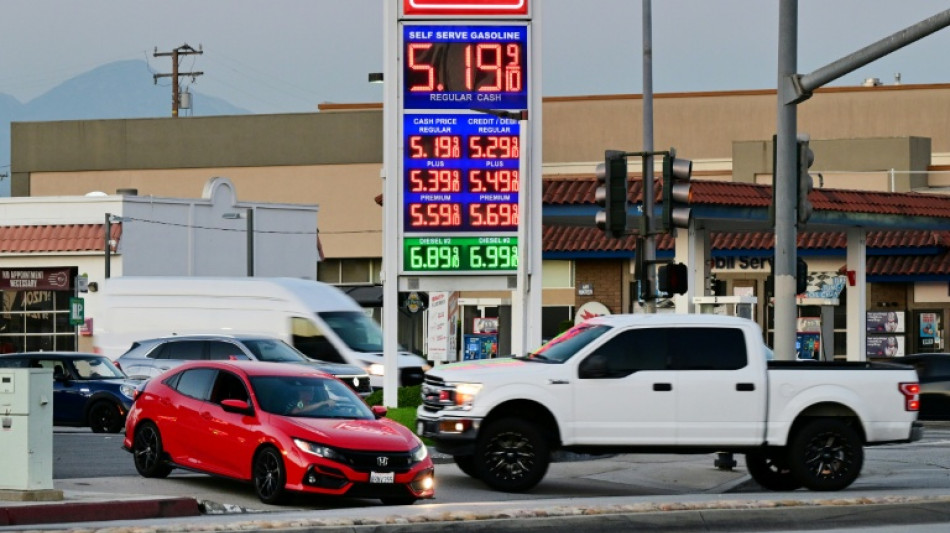
Global energy prices surged as Tehran retaliated by choking off the Strait of Hormuz -- a key waterway for energy transit -- sending costs up at US gasoline pumps too.
This has lifted household expenditures and raised business costs as diesel prices hit new records, making transportation, farming and construction pricier.
The situation weighs on the Fed, which generally cuts rates to boost the economy and lifts them to curb inflation.
While the central bank has gradually lowered rates since 2024, it held them steady at a range between 3.50 percent and 3.75 percent this year as inflation climbed following the Middle East war.
The last rate hike was in mid-2023, and traders see a 71.4 percent chance that the Fed will opt for a quarter-point hike next week, according to CME Group's FedWatch tool.
Several Fed policymakers have signaled that they would be open to raising rates if August's data does not show a continuing downward trend.
"Everything that's happened since the last Fed meeting in July has escalated the inflation scare," Long said.
A month or two ago, there was optimism the Iran war would end and that the effects of Trump's tariffs would fade, she said.
But since then, the conflict has held at a stalemate and oil prices have gone back above $100 a barrel. The United States meanwhile is spiraling into a trade war with Canada, its second biggest trading partner.
"The biggest sign of how worried the White House is, is President Trump pledging to do a $5,000 dividend," Long said.
With Trump's approval rating languishing on persistent inflation and the unpopular war with Iran, the president on Wednesday promised a $5,000 "dividend" to every American adult if Republicans retained both chambers of Congress in November's midterm elections.
"That's (officials) trying to address the affordability crisis that many Americans feel right now," Long said.
A.Meyers--LiLuX