Gov. Hobbs Offers No Timeline for Colorado River Deal Amid Policy Discussions
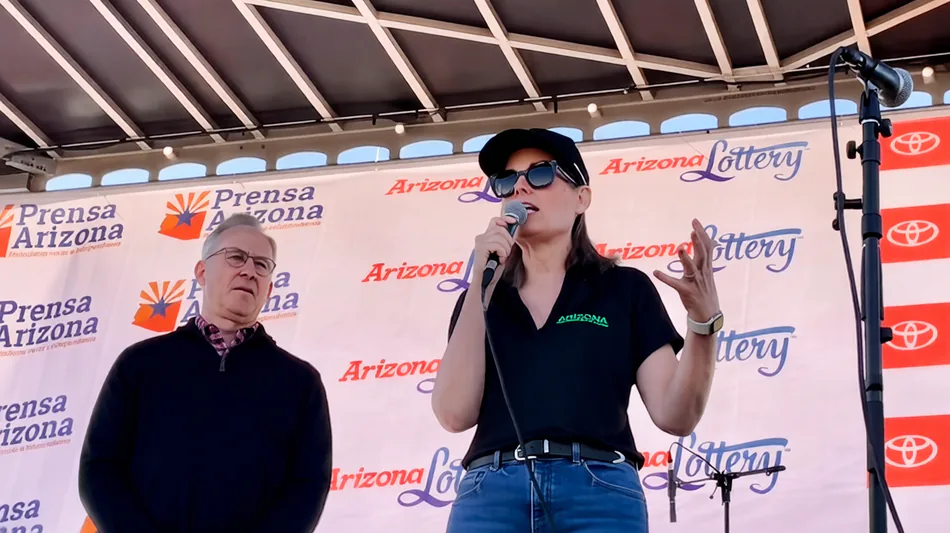
Arizona Governor Katie Hobbs stated there is no set timeline for finalizing a critical multi-state agreement on Colorado River water supplies during an appearance at a Phoenix Thanksgiving festival. Speaking alongside Lt. Gov.-elect John Giles, Hobbs also outlined her administration's focus on affordability and education reform as the incoming Democratic Legislature prepares to take control next year.
Arizona Governor Katie Hobbs indicated that a resolution to the months-long stalemate over Colorado River water allocations remains uncertain, offering no specific timeline for when a final agreement might be reached. The statement came during an appearance at the Guajoloton Gracias Arizona festival in Barrio Unidos Park on Saturday, where Hobbs joined Lt. Gov.-elect John Giles to discuss pressing state policy issues.
Hobbs emphasized that securing the Lower Basin Agreement remains her administration’s top priority. The proposed deal, which involves negotiations between Arizona, California, and Nevada, is designed to protect future access to Colorado River water supplies and mitigate the risk of larger federal cuts to the state’s allocations. However, the agreement requires legislative approval, and the Arizona Legislature is not scheduled to reconvene until January. Hobbs did not disclose whether she intends to call a special session to expedite the process.
"The top priority is finalizing the Lower Basin deal," Hobbs told reporters gathered at the festival. "We’re still working out some pieces of that, and I’m optimistic we’ll get it done."
The governor’s remarks on water policy were part of a broader discussion with Giles regarding the state’s fiscal outlook and education reforms. As Arizona prepares for a shift in legislative power next year, with Democrats poised to take control of both chambers of the Legislature, Hobbs outlined her administration's focus on economic affordability and public education investment.
Hobbs confirmed that she is currently drafting a budget proposal aimed at addressing cost-of-living concerns. "I’m looking forward to sharing it with Arizonans after the session starts," she said. "But we’re focused on affordability, as I know the incoming Legislature is as well. So you will see a lot of proposals there, as well as investing in public education — that is a top priority."
On the issue of school choice, Hobbs addressed the future of the Empowerment Scholarship Account (ESA) program. While she declined to commit to specific legislative reforms, she characterized the current iteration of the program as a "billion-dollar boondoggle" rife with waste and abuse. She argued that the program diverts essential resources from public schools and expressed a desire to work with lawmakers to increase accountability and protect taxpayer dollars.
"I’m looking forward to talking about ways we can make that program accountable and protect taxpayer dollars," Hobbs said.
Giles, who will assume office as Arizona’s first lieutenant governor next year, also addressed reporters regarding the newly created role. He described the position as an opportunity to expand the governor’s outreach capabilities. "This is a very exciting opportunity to add another set of hands and ears to the governor’s office, to reach out to people, and to be engaging and address the governor’s amazing agenda of reigning in high costs," Giles said. He noted that more details about the lieutenant governor’s daily responsibilities would be released in the coming weeks.
Hobbs also responded to questions regarding her political direction following her recent reelection. In response to calls from progressive groups such as Living United for Change in Arizona (LUCHA) and amidst the incoming Democratic majority, Hobbs stated she intends to engage with legislators across the aisle and stakeholder groups. "I think that is the directive we have from this election, and I think there are a lot of ways to do that," she said.
The festival appearance provided a public forum for Hobbs and Giles to outline their agendas before the legislative session begins. The outcome of the Colorado River negotiations will likely be a central focus when lawmakers return in January, particularly as the state navigates ongoing water scarcity challenges and shifting political dynamics.
L.Olinger--LiLuX